
After a vascular laser session, the skin goes through a phase of vulnerability that older protocols underestimated. Post-treatment recommendations have evolved in recent years, particularly driven by specialized journals such as the Journal of Cosmetic and Laser Therapy and Lasers in Surgery and Medicine. Understanding what happens at the level of the skin barrier allows for adjustments in care and helps avoid complications that can sometimes take a long time to correct.
Skin Barrier After Vascular Laser: What Recent Data Shows
Vascular lasers (Pulsed Dye Laser, Nd:YAG) target hemoglobin in dilated vessels. The thermal energy delivered is not limited to capillaries: it transiently alters the hydrolipidic film and increases insensible water loss.
Related reading : How to Reduce the Side Effects of Capillar: Essential Tips and Recommendations
The updated guidelines from the American Society for Laser Medicine and Surgery (ASLMS, 2022) have formalized a paradigm shift. The old reflex of “greasy cream + antiseptic” has been replaced by a more targeted protocol.
| Parameter | Old Protocol | Recent Recommendations (ASLMS 2022) |
|---|---|---|
| Cleanser | Classic mild soap | Cleanser without aggressive surfactants |
| Hydration | Greasy cream / petroleum jelly | Emollients rich in ceramides and fatty acids |
| Actives to Avoid | No specific guidelines | Retinoids, AHA/BHA, acid vitamin C suspended for several days to weeks |
| Sun Protection | SPF 30 screen | SPF 50+ reapplied every 2 hours, including indoors near windows |
| Antiseptic | Systematic application | Only on prescription if there is an open lesion |
This table summarizes the gap between habits still prevalent in some practices and updated practices. The most striking difference concerns the cessation of exfoliating actives and acid vitamin C, long considered beneficial for skin recovery.
Related reading : 10 Simple Tips to Improve Your Daily Well-Being
Recent protocols can be detailed for each skin type and laser; you can learn more on Univers Beauté about specific restrictions for vascular post-treatment.
Anticoagulants and Dietary Supplements: An Underestimated Risk of Purpura
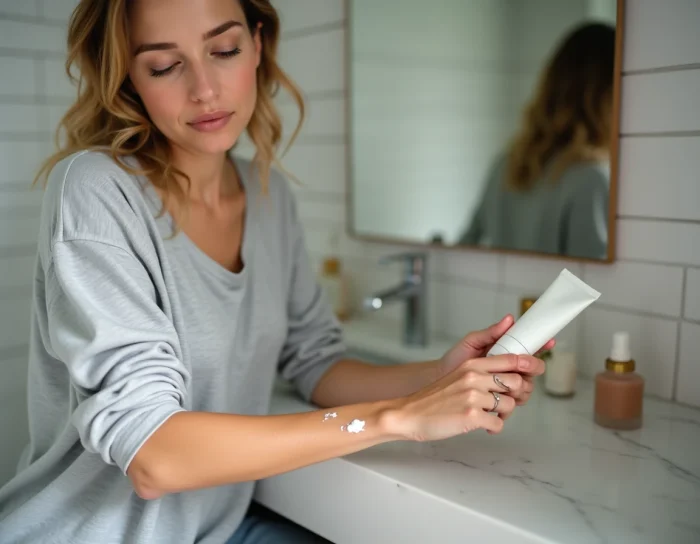
Public content rarely addresses the issue of drug interactions with vascular laser treatment. Patient leaflets from the British Association of Dermatologists and the European Society for Lasers and Energy-Based Devices in Dermatology (documents 2021-2023) emphasize a specific point.
Patients on anticoagulants or antiplatelet agents have an increased risk of prolonged purpura and bruising after a vascular laser session. Purpura, this purplish discoloration related to blood extravasation into tissues, typically lasts a few days. Under anticoagulant treatment, it can persist much longer.
The trap also comes from dietary supplements perceived as harmless:
- Fish oil (omega-3) has a documented antiplatelet effect. Its discontinuation is recommended several days before the session.
- Ginkgo biloba alters coagulation and can amplify post-laser bruising.
- High-dose vitamin E (supplementation, not regular diet) increases bleeding time.
- Concentrated turmeric (capsules) also interferes with platelet aggregation.
These supplements must be reported to the practitioner before any session. Their discontinuation is decided on a case-by-case basis with the doctor, never autonomously for patients on prescribed treatment.
Post-Vascular Laser Redness: Distinguishing Normal Reaction from Complication
Erythema (redness) after vascular laser treatment is expected. Local vasodilation and the release of inflammatory cytokines cause warmth and discoloration that can last from a few hours to several days depending on the intensity of the parameters used.
However, certain signs should raise alarms. Swelling that increases after the third day instead of decreasing, clear fluid-filled blisters, or increasing pain indicate an excessive reaction. Any blister or oozing crust warrants prompt contact with the practitioner.
Managing normal redness relies on simple but often poorly applied measures. Applying cool compresses (no direct ice on the skin) during the first hours reduces inflammation. Hydration with a ceramide-based emollient, applied without rubbing, protects the weakened skin barrier.
Sun Exposure and Vascular Laser: Why the Protection Delay Has Been Extended
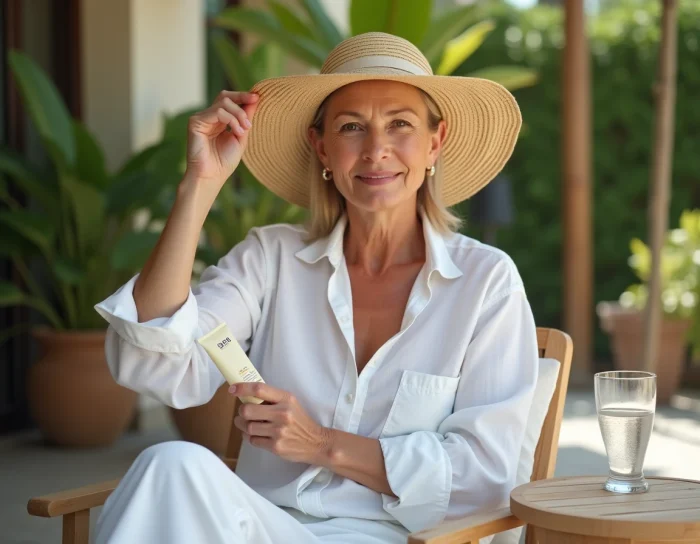
Photoprotection after a vascular laser treatment is not limited to “putting on sunscreen for a week.” Treated areas have an increased sensitivity to UV rays for several weeks, sometimes longer on darker skin or exposed areas like the face and décolletage.
The main risk is post-inflammatory hyperpigmentation. Skin in the repair phase produces melanin in a disordered manner if exposed to UV rays. This phenomenon affects darker phototypes more, but no phototype is completely safe.
- A broad-spectrum SPF 50+ screen (UVA + UVB) must be reapplied every two hours during exposure, even behind glass.
- Covering clothing remains the most reliable protection for accessible treated areas (legs, arms).
- Intentional direct sun exposure (beach, terrace, outdoor sports) should be avoided for the duration indicated by the practitioner.
Failure to comply with this guideline is the primary cause of disappointing results after vascular laser treatment. A technically successful treatment can be compromised by premature sun exposure.
Practitioners recommend scheduling sessions outside of peak sunlight periods. Fall and winter offer a more favorable window, especially for facial and leg treatments. This schedule reduces both the risk of hyperpigmentation and the difficulty of maintaining strict photoprotection daily.