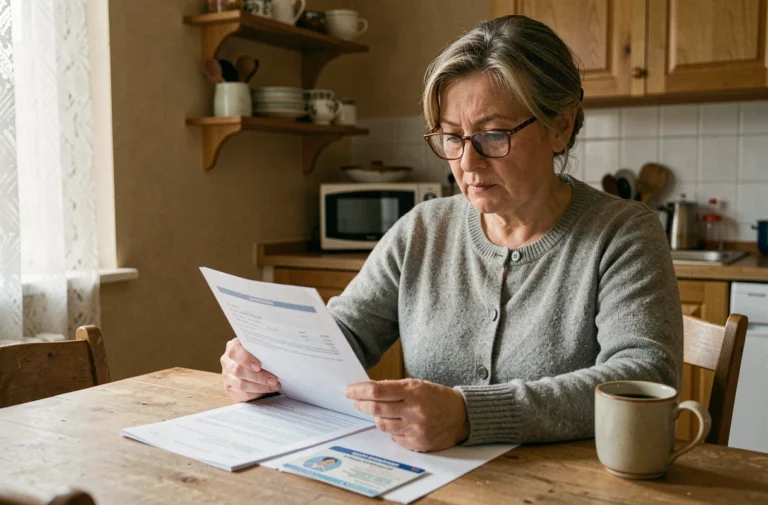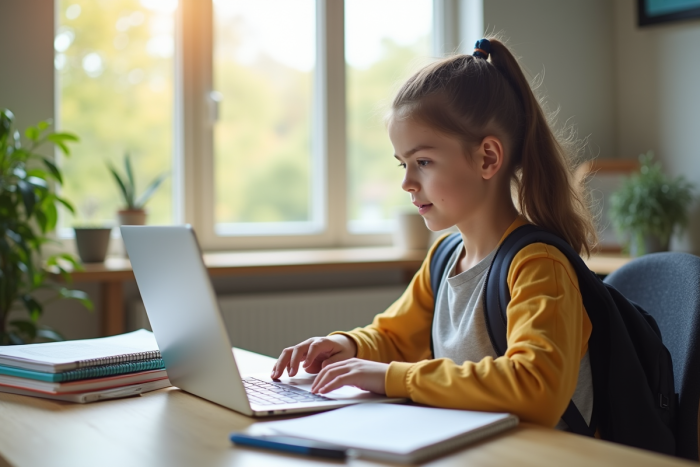
Receiving the school report card without ever stepping through the school door: this is now the everyday reality for many families. With just a click, homework, absences, and results are displayed, accessible from a computer or a phone.
Educational platforms, created to streamline internal communication, are now reshaping the relationships between parents, students, and teaching teams. Personalized access to information raises questions about equity and data management, but it also allows for academic monitoring that once exceeded the limits of physical meetings.
Digital spaces in schools: what tools and for what uses?
From primary school to high school, institutions are now equipped with a wide range of digital tools to meet the new needs of education. Interactive boards, school management platforms, collaborative applications: the digital strategy of the national education is embodied in the networking of resources and all the actors in the educational community.
The digital space structures access to educational content and ensures pedagogical continuity whenever a student is absent or a class shifts to remote learning. Teachers upload assignments, corrections, course materials, or videos to these platforms, and students can access them in just a few clicks. The management of schedules, consultation of grades, or communication with families now takes place through these essential tools.
A concrete example of this evolution: the Caen webmail service, which simplifies the consultation of messages and the management of academic exchanges. The Ministry of National Education now places the development of digital skills at the heart of its priorities, directly linked to the transformation of teaching practices and learning methods.
Here are some concrete advancements made possible by these new systems:
- Facilitated access to educational digital resources for all students and their families
- Highlighting digital skills among both students and teachers
- Strengthening collaboration and more individualized monitoring of learning paths
Pilot projects are already integrating artificial intelligence or augmented reality to better meet the specific needs of each student. Schools, middle schools, and high schools are thus evolving towards environments where learning knows no boundaries or fixed hours.
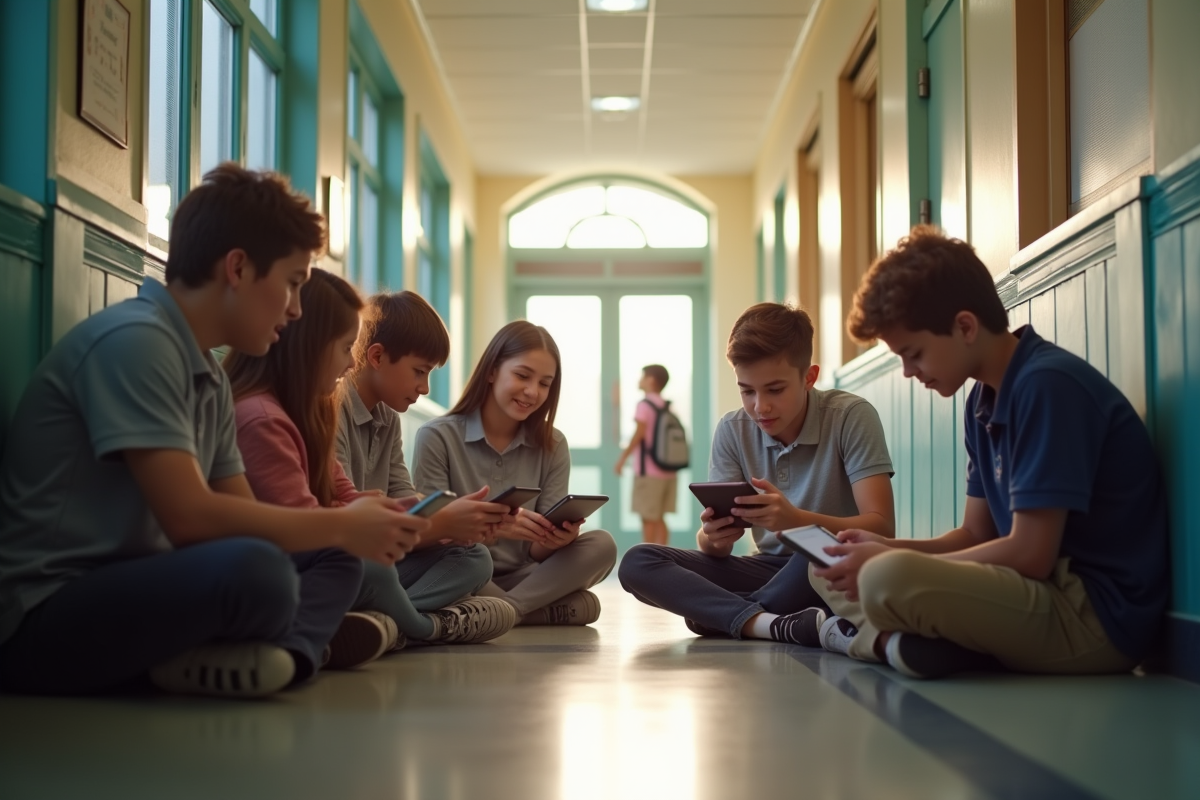
Connected parents and students: how digital technology transforms daily academic monitoring
The digital space has established itself as the foundation of academic monitoring, disrupting family habits and changing the nature of exchanges between the school, students, and their parents. Accessing homework, results, and absences in real-time, consulting the assessment calendar, and communicating with teachers: the school life no longer stops at the school gate. The platform becomes a space for exchanges and continuous support, for each student as well as for each parent.
The main uses that have emerged today reflect this transformation:
- Digital tools that allow for close monitoring of progress and quick responses whenever a difficulty arises
- Notifications and messages aimed at reinforcing digital citizenship and raising awareness about personal data protection
The national education system focuses on transparency and accessibility, while keeping in mind the risks of digital divide. Educational teams are doubling their efforts to support families who are less comfortable with connected tools, particularly in rural areas and certain urban neighborhoods. This attention to equity goes hand in hand with increased vigilance regarding cybersecurity and the fight against cyberbullying.
The richness of resources and the personalization of learning paths encourage student autonomy. But caution is necessary: vigilance against misinformation and the use of educational data remains constant, forcing a rethink of responsibilities and governance in the educational sphere. Digital spaces, while opening new doors to learning, invite everyone to redefine their place within the educational community.
Tomorrow, the classroom will have no walls: it will fit entirely in a pocket, on a screen, or in this ongoing dialogue where parents, students, and teachers move forward, connected, never ceasing to learn from one another.