
Forget the old rule that the buyer always pays the notary fees: for a long-term rural lease, the game is more subtle. Article 1593 of the Civil Code establishes a principle, but this type of agricultural contract often deviates from it. Here, the legislation carves its own path, and market habits provide only a partial compass.
It sometimes happens that the parties agree to revise the distribution of costs, provided that the intention is clearly written. Local customs, the type of lease, and the precise content of the contract determine the final note. Nothing is set in stone; everything is negotiable.
Recommended read : Parking for free: the best parking tips in major cities
Long-term rural lease: definition, operation, and benefits for owners and operators
The long-term rural lease stands out as the ally of those who want to stabilize their agricultural activity in the long term. It is not a simple classic lease or a temporary contract: it is a firm commitment that stretches over a minimum of 18 or 25 years and can even cover the entire professional life of the tenant through a career lease. Here, security prevails for both the owner and the operator.
A central point: everything relies on a written contract, often established before a notary. This formality protects each party. The tacit renewal ensures continuity, while the farming status firmly frames the operating conditions. This framework promotes the transmission of land within the same family, notably through the transferable lease outside the family framework, and allows for calm anticipation of future investments.
Read also : Warez in 2025: Still a Paradise for Pirates?
For the lessor, the long-term rural lease opens the door to genuine tax opportunities. We are talking about partial exemption from transfer duties, reductions for the IFI, or the valuation of bare ownership. These levers facilitate the maintenance of agricultural assets within the family sphere. For the tenant, stability guarantees access to credit and enhances land value over time.
The question of notary fees for a long-term rural lease often sparks lengthy negotiations. This detail, elaborated on the dedicated page “Who pays the notary fees for a rural lease? – Immo 4,” must be clarified as soon as the contract is drafted, as it directly impacts the budget of each signatory.
Who pays the notary fees when signing a long-term rural lease?
In the world of long-term rural leases, the question of notary fees quickly becomes central. Once a lease is signed before a notary, the law does not provide anything specific regarding the distribution of these costs between owner and tenant. It is all a matter of negotiation, and every word in the contract counts.
In practice, the drafting of the lease contract must designate who bears the expense. By custom, the tenant generally pays the fees, especially if they are the one who requested the notarial deed, benefiting from legal security for their agricultural project. But nothing prevents a different decision: the lessor may also agree to take on part or even all of the costs, depending on the circumstances or the balance of power.
The notary fees encompass several items: the drafting of the deed, the formalities of land publicity, and the notary’s remuneration. The amount adjusts based on the value of the lease and the level of commitment. To clarify the different situations, here are the most common options:
- In the absence of an express mention in the contract: the tenant generally pays the fees.
- In the case of a specific agreement: the distribution follows the will of the signatories.
Before signing, everyone should carefully reread the draft of the long-term rural lease. A clear distribution of notary fees prevents unpleasant surprises during a potential termination or renewal of the contract.
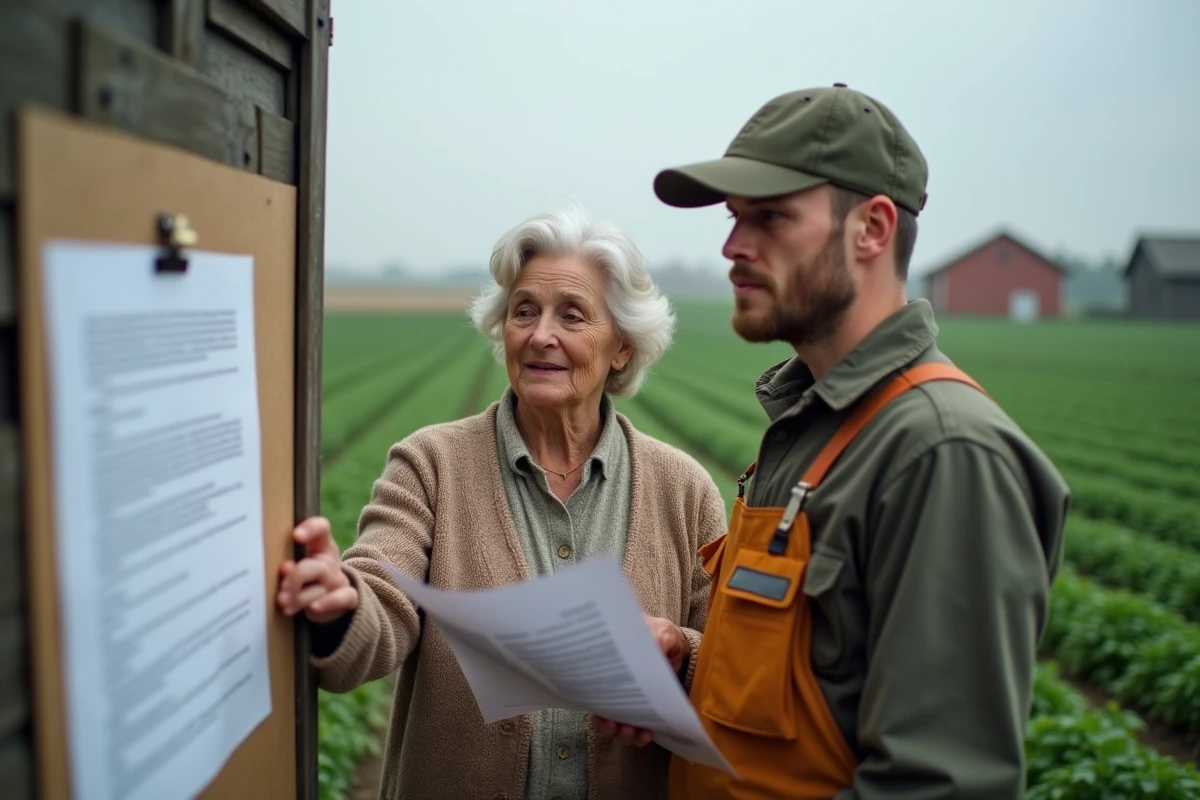
Practical advice and support to succeed in your agricultural rental project
To start on solid foundations, conduct a detailed inventory when handing over the keys. A report written jointly, dated, and signed limits disputes at the end of the lease and protects both the lessor and the tenant. This document quickly becomes essential, especially during a termination or renewal.
The rural lease contract must rely on precise drafting. Each clause must be carefully considered: tacit renewal clause, compliance with the farming status, details on the amount of rent, on the basis, or on the temporary usufruct. These elements will make the difference in case of disagreement or inspection.
It is possible to optimize taxation through the long-term rural lease. Certain provisions grant exemptions on transfer duties, reductions on the IFI, or advantageous valuation of bare ownership. Used within a family context, this lease facilitates the transmission of assets while maintaining the stability of the operation.
To secure the operation, the support of a legal expert specialized in rural law proves invaluable. Their expertise ensures the solidity of the deed, compliance of the clauses, and a real consideration of your objectives, whether they are patrimonial or professional. In this field, nothing replaces constant vigilance during the drafting and signing of the contract.
In the agricultural world, negotiating notary fees for a long-term rural lease is never a detail. It conditions trust, sustainability, and sometimes the success of a project passed down from generation to generation. Who says better for combining security and transmission?